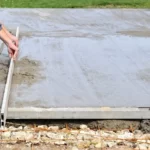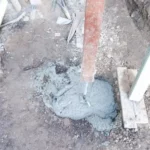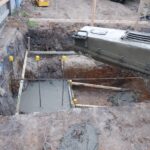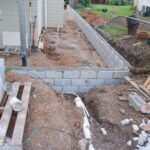
Pouring concrete around a swimming pool isn’t just another outdoor slab. Pool surrounds are exposed to constant water, chemicals, sun and foot traffic, so the planning done before concrete is delivered has a direct impact on safety, drainage and durability.
At Concrete Taxi, we supply ready-mix concrete for pool surrounds across Australia, supporting new pool builds and upgrades around existing pools. With our experience delivering small batch concrete for pool projects, we regularly see how access, timing and preparation influence the success of a pool pour.
If you’re organising concrete for a pool area, this guide outlines what to know before you pour, including slab thickness standards, drainage slopes and how to plan concrete delivery properly.
Who This Guide Is For
This guide is designed for homeowners, owner-builders and trades planning concrete for swimming pool surrounds in Australia. It focuses on the practical considerations that matter before ordering concrete, with the perspective of a supplier that delivers ready-mix concrete to pool sites every week. Concrete Taxi supplies concrete only, we don’t install or finish slabs, but we help ensure the right volume and mix are delivered on time, even where access and scheduling are tight.
Can You Pour Plain Concrete Around Pools?
Yes, concrete is one of the most common materials used for swimming pool surrounds, provided the slab is designed correctly.
Concrete around a pool works well because it:
- Creates a continuous, durable surface
- Handles wet conditions when properly finished
- Supports consistent foot traffic
- Integrates easily with fencing, coping and landscaping
However, pool surrounds are more demanding than standard common outdoor slabs. Factors such as pool water, chlorine, UV exposure and standing water must be accounted for before concrete delivery is booked.
Concrete for Pool Surrounds: Key Planning Factors Before Delivery
1. Site Conditions and Access
Pool areas often present delivery challenges:
- Narrow side access
- Long wheelbarrow distances
- Tight residential streets
- Limited space for concrete trucks
Before ordering concrete, confirm:
- Truck access points
- Pump or barrow requirements
- Pour timing relative to other trades
Concrete Taxi regularly supplies concrete to tight spaces and residential pool sites. Early planning helps avoid delays and rushed pours.
2. Pool Surround Slab Thickness Standard
One of the most common questions is how thick concrete should be around a pool.
For most pool surrounds, the standard slab thickness is:
- 100 mm concrete slab for general pedestrian use
Additional thickness may be required:
- At slab edges
- Around pool coping
- Near heavy fixtures or fencing
The correct thickness supports durability without unnecessary concrete costs. Your concreter or pool builder will specify reinforcement and edge details. At Concrete Taxi, we ensure the correct volume and strength of concrete is delivered to suit those specifications.
3. Slope for Drainage Around a Pool
Drainage is critical for safety and durability. Concrete around a pool must be laid to fall away from the pool, preventing:
- Standing water
- Surface wear
- Chemical damage
- Slip hazards
Typical slope guidelines:
- A fall of 1:60 to 1:80 away from the pool edge
Poor drainage allows water to sit on the surface, increasing the risk of slips and accelerating deterioration from chemicals and sun exposure.
Safety Around Pools: Wet Surfaces and Bare Feet
Pool surrounds are always exposed to:
- Wet conditions
- Bare feet
- Sunscreen and oils
- Pool chemicals such as chlorine
For this reason, surface finish selection is critical. The concrete supplied must be suitable for:
- Textured finishes
- Slip-resistant treatments
- Protective sealing systems applied by others
Smooth concrete surfaces may look clean initially but can become slippery when wet. Most pool surrounds use a textured or broomed finish to improve slip resistance.
Plain Concrete Around a Pool: A Practical Choice
Plain concrete around a pool remains one of the most practical and cost-effective options, particularly for family homes and investment properties.
Benefits of plain concrete pool surrounds include:
- Clean, continuous surface
- Fewer trip hazards than pavers
- Lower long-term maintenance
- Compatibility with non-slip coatings
From a delivery perspective, plain concrete simplifies ordering and reduces complexity on pour day. Concrete Taxi supplies standard ready-mix concrete suitable for plain concrete pool surrounds across residential and commercial projects.
Concrete vs Pavers for Swimming Pool Surrounds
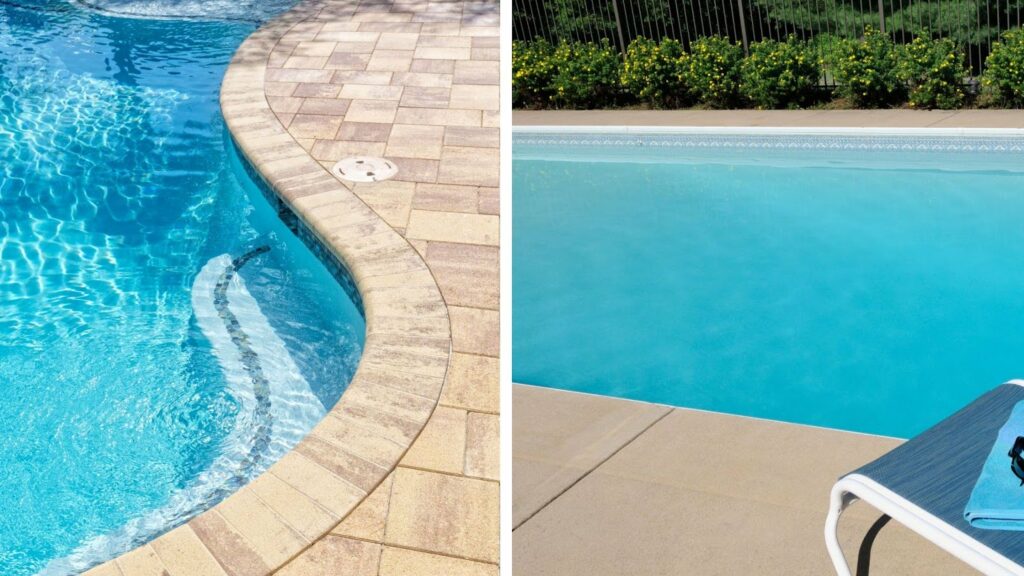
Many pool owners compare concrete and pavers when planning pool areas.
Concrete pool surrounds:
- Have no grout lines
- Reduce trip hazards
- Are easier to clean
- Perform better in tight or curved pool areas
Pavers and stone:
- Introduce joints that can move
- Require more maintenance
- Can trap water beneath the surface
Concrete is often chosen for its durability, simplicity and long-term performance in outdoor pool environments.
How Much Concrete Do You Need Around a Pool?
Concrete volume is calculated using:
- Total square metres of the pool surround
- Slab thickness (typically 100 mm)
Example:
- 50 m² pool area × 0.1 m thickness
- = 5 cubic metres of concrete
Ordering accurately is critical:
- Under-ordering risks cold joints and delays
- Over-ordering increases cost and waste
Concrete Taxi assists customers with volume estimation and delivery planning, ensuring concrete arrives when the site is ready.
Organising Concrete Delivery for Pool Areas
Timing matters when pouring around pools. Concrete must arrive when:
- Formwork is complete
- Reinforcement is in place
- Access is clear
- Weather conditions are suitable
Concrete Taxi specialises in reliable, on-time concrete delivery across Australia, supporting residential and commercial pool projects of all sizes. View Our Service Areas.
Book Concrete Delivery for Your Pool
If you’re planning concrete around a pool, whether for a new pool area or upgrading an existing one, early planning and reliable delivery make all the difference.
Concrete Taxi supplies ready-mix concrete, helping homeowners and trades pour safely, efficiently and on schedule.
Use our Instant Quote Calculator or Contact Concrete Taxi today to discuss your pool surround project, estimate volumes and book concrete delivery with confidence.
FAQs
Can I concrete around my pool?
Yes. Concrete is commonly used for swimming pool surrounds when slab thickness, drainage and surface texture are correctly planned.
What is the average cost for concrete around a pool?
Costs depend on square metres, thickness, site access and delivery logistics. Concrete Taxi provides clear pricing for ready-mix concrete delivery. Use our Concrete Calculator.
What type of concrete is best around a pool?
Standard ready-mix concrete suitable for outdoor slabs is typically used. The surface finish and sealing system applied later determine slip resistance and longevity.
How thick should concrete be for a swimming pool surround?
Most pool surrounds use a 100 mm thick slab, with additional thickness where required by design or load.