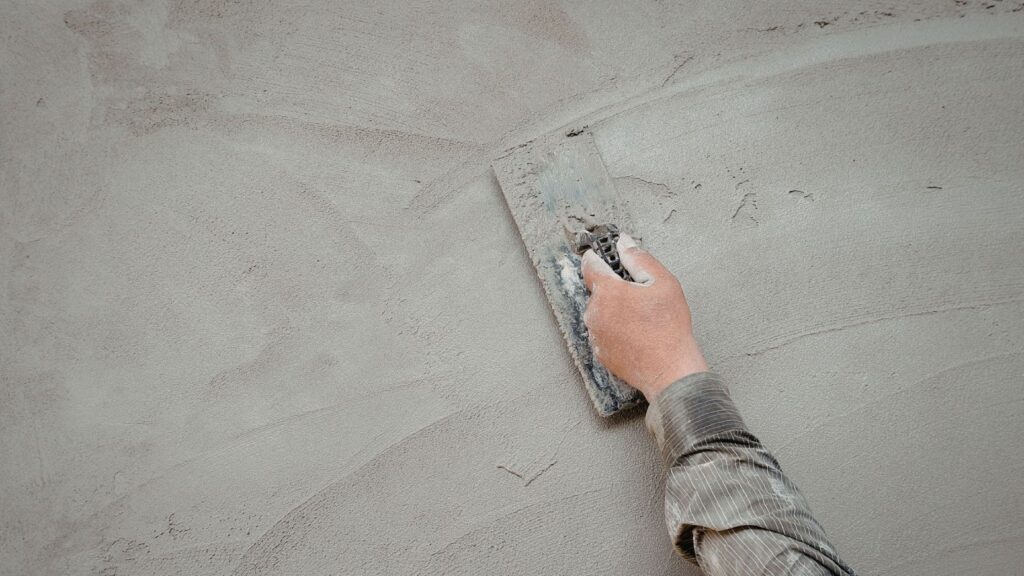
Uneven concrete is rarely just a surface problem. It can create trip hazards, cause water pooling, interfere with flooring installation and, over time, affect the structural integrity of the slab. Concrete levelling is often the most cost-effective way to fix uneven concrete surfaces without removing and replacing the entire slab.
At Concrete Taxi, we regularly supply concrete for uneven concrete slabs, floors, driveways and patios all over Australia. This puts us alongside builders, tradies and homeowners dealing with these issues firsthand and gives us a clear understanding of what works, what doesn’t, and what type of concrete is actually required for levelling jobs.
If you’re trying to work out how to fix an uneven concrete slab or floor, understanding the underlying cause and how levelling is typically done will help you plan the repair properly and avoid costly mistakes.
Why Concrete Slabs & Floors Become Uneven
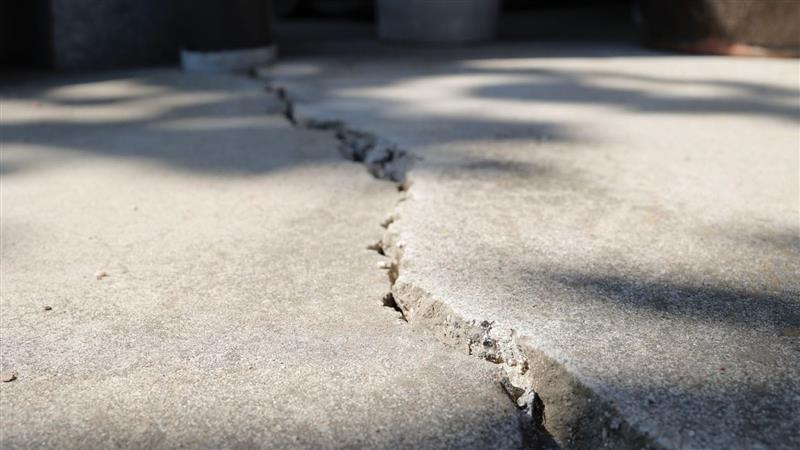
Concrete is strong, but it relies entirely on the soil and ground beneath it. When that support changes, the concrete surface above can sink, crack or become uneven.
From what we see across the many common concrete jobs we supply, uneven concrete slabs are usually caused by several factors working together. These include soil movement, poor compaction during the original pour, excess moisture softening the ground, or voids forming beneath the slab. Tree roots are another frequent cause, particularly around outdoor concrete surfaces like driveways, patios and paths.
The key point is this: fixing uneven concrete properly means understanding whether the existing concrete is still sound. Levelling can correct the surface, but the ground underneath needs to be stable for the repair to last.
When Uneven Concrete Becomes a Real Issue
Not every uneven surface needs urgent repair, but some situations shouldn’t be ignored. Uneven concrete floors often cause problems during flooring installation, especially with tiles, vinyl or timber, where even minor imperfections can lead to cracking or lifting.
Outdoors, uneven concrete slabs can create drainage problems. Low spots that allow water pooling increase moisture exposure, which can worsen soil movement and lead to further sinking. We often see this on older surfaces supplied years earlier under different ground conditions.
If uneven concrete is creating trip hazards, affecting nearby walls or continuing to sink, it’s usually worth addressing sooner rather than later while levelling is still an option.
Concrete Levelling vs Replacing Concrete
Concrete levelling focuses on fixing uneven concrete surfaces while keeping the existing concrete slab in place. This approach is suitable when the slab itself is structurally sound but no longer level.
Compared to full slab replacement, concrete levelling generally:
- Requires less demolition and disruption
- Reduces overall repair cost
- Preserves existing concrete
- Allows faster return to use
Replacement is usually only necessary when there is major cracking, ongoing movement or structural failure that levelling methods can’t reliably fix.
Common Methods Used to Fix Uneven Concrete
There is no single method that suits every situation. The best way to fix uneven concrete depends on whether the surface is indoors or outdoors, the extent of the unevenness and how the area will be used.
Levelling Uneven Concrete Floors Indoors
When researching how to fix an uneven concrete floor, you’ll often see self-levelling compounds mentioned. These products are typically used for minor, cosmetic floor preparation indoors, particularly before installing tiles or other flooring.
They’re designed for thin applications only and are not structural. They’re also not suitable for outdoor use or for slabs that need added strength, thickness or long-term durability.
Pouring New Concrete Over Existing Concrete
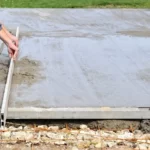
For outdoor slabs such as driveways, patios and paths, levelling is often achieved by pouring new concrete over existing concrete. This is a well-established method for fixing uneven concrete slabs when done correctly.
This approach is frequently used for jobs like driveway resurfacing, shed slabs and paths. Surface preparation is critical, and the new concrete layer needs sufficient thickness to avoid cracking and ensure durability.
Filling Low Spots & Patching
Where unevenness is limited to small areas, targeted filling or patching may be suitable. This method is typically used to address minor imperfections, small holes or voids rather than widespread uneven concrete surfaces.
Choosing the Right Concrete for Levelling Jobs
Concrete levelling isn’t one-size-fits-all. The right concrete depends on overlay thickness, whether the area is indoors or outdoors, and how the surface will be used.
For most levelling jobs, these strength ranges are commonly used:
- 20–25 MPa – Suitable for light-duty residential overlays such as patios, paths and low-traffic slabs where the existing concrete is sound.
- 25–32 MPa – Commonly used for driveway overlays and outdoor slabs where durability and weather exposure matter.
- 32 MPa+ – Used where higher strength is required, such as high-traffic or more demanding applications.
Choosing the right strength helps ensure the new concrete bonds properly and performs long term, particularly when pouring concrete over existing concrete.
Learn More on the Differences Between Concrete Strengths, or if you’re unsure how much concrete you’ll need, the instant quote calculator is a practical place to start before ordering.
Planning to Fix Uneven Concrete?
Fixing uneven concrete starts with understanding the surface and finishes with using the right concrete for the job. If you’re planning to fix an uneven concrete slab or floor, Concrete Taxi can help you calculate volumes, select a suitable concrete mix and arrange flexible delivery across our service areas without over-ordering or unnecessary waste.
Contact us or use the instant quote calculator today to plan your concrete levelling project with confidence.
Frequently Asked Questions
If uneven concrete affects drainage, safety or flooring installation, levelling is usually recommended. Minor cosmetic unevenness alone may not require repair.
Levelling fixes the surface. Underlying issues such as soil movement, moisture problems or tree roots should be addressed to prevent the issue returning.
No, slabs with significant structural damage or ongoing movement may need replacement rather than levelling.
The right concrete depends on thickness, location and exposure. Thin overlays and structural overlays require different concrete properties.
Some minor concrete levelling tasks, such as small interior floor repairs, can be handled by experienced DIYers. However, larger slabs, outdoor use, drainage issues or jobs involving soil movement usually require professional assessment and tools.
Even where the repair work is DIY, using professionally mixed concrete helps ensure consistent material quality, predictable curing time and a result that lasts.
Yes, pouring concrete over existing concrete is a common way to fix uneven slabs. For this to work, the existing concrete must be structurally sound, properly prepared and the new concrete must be poured thick enough to perform. Thin layers poured without preparation are far more likely to crack, separate or fail, which is why planning the process properly is essential.