If you’re planning a new pool or giving an old one a refresh, pool coping and pool edging are two things that deserve more thought than they usually get. From where we sit, delivering concrete to pool jobs right across Australia, these choices don’t just affect how your swimming pool looks, they affect how it feels under bare feet, how safe it is when wet, and how well it holds up over time.
At Concrete Taxi, we’re not designers or salespeople. We’re the ones turning up on pour day, working alongside builders and concreters, and seeing first hand what works and what causes headaches later. So here’s a friendly, practical guide to pool coping vs pool edging, plus concrete around pool ideas that make sense in the real world.
Pool Coping vs Edging: What’s the Difference?
Let’s keep this simple.
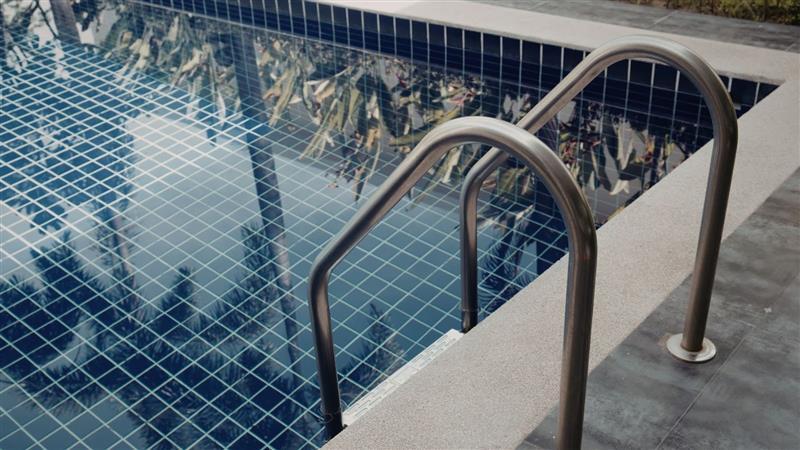
Pool coping is the finished edge that sits right on top of the pool shell. It’s the bit you grab when you’re getting out of the pool. Coping can be concrete, stone, or coping tiles, and its job is to protect the pool structure and create a neat, comfortable edge.
Pool edging is the bigger picture. It includes the coping and how the concrete surface around the pool is finished. Including joints, drainage, texture, and how the pool connects to the rest of your outdoor space.
A quick rule of thumb:
- Coping finishes the pool.
- Edging makes the pool usable.
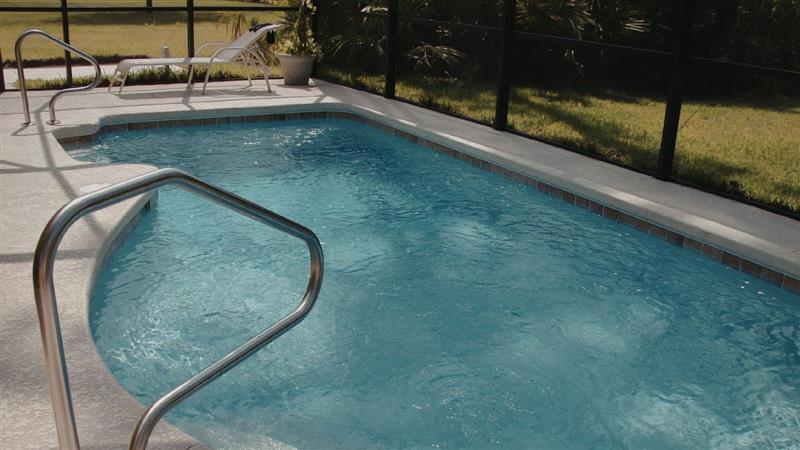
Why Concrete Works So Well Around Pools
Concrete is one of the most reliable materials for pool surrounds, especially in Australian conditions. When it’s planned and poured properly, concrete pool surrounds offer:
- A durable surface that handles wet areas and foot traffic
- Good weather resistance in sun, heat, and rain
- Design flexibility for modern or custom pool design
- A safer, more consistent non slip surface
- Fewer joins than pavers, which means less movement and lower maintenance
Concrete also makes it easier to define zones between pool decks, dining spaces, and walkways without chopping your outdoor area up into lots of different materials.
Concrete Pool Coping Options We See Work Well
Concrete coping is popular because it can be shaped to suit both the pool and the surrounding surface.
Square Edge Coping
A clean, modern option that suits straight lines and contemporary homes. A square edge looks great with honed or lightly textured concrete, but it does need accurate formwork and properly placed expansion joints to avoid cracking.
Formed(Poured) Concrete Coping
This is where the coping and pool edging are poured as one continuous element. It creates a seamless transition from pool to surround and works especially well for curved pools or custom designs.
Coping Tiles on a Concrete Base
Tiles can be fixed over concrete to match pool tiles or add contrast. This approach relies on good detailing underneath and poor prep here often shows up later as loose tiles or stains.
From our point of view on site, coping pours benefit from good coordination between the pool builder, concreter, and concrete delivery. Timing matters.
Pool Edging Ideas Using Concrete Surrounds
Here are a few concrete pool surround ideas we regularly see specified on successful pool projects.
Exposed aggregate concrete
Exposed aggregate has a textured surface that provides excellent grip when wet. It also adds visual interest without being slippery or high maintenance.
Best for: Family pools, high-use pool areas, and anyone prioritising safety and durability.
Honed concrete surrounds
Honed concrete gives a smooth, modern look without the high gloss of polished concrete. When sealed correctly, it’s comfortable underfoot and suits contemporary outdoor spaces.
Best for: Modern homes and pool areas where looks and practicality need to balance.
Light broom-finished concrete
A simple, no-fuss finish that performs well around pools. It’s not flashy, but it’s reliable and cost-effective.
Best for: Straightforward builds or secondary pool areas.
Seamless concrete pool decks
Using one concrete surface around the pool and into adjoining outdoor areas helps keep the space open and connected. Joint layout and drainage need to be planned carefully to avoid cracking or puddling.
Best for: Entertaining areas and larger outdoor spaces.
Safety & Drainage: The Stuff That Really Matters
Around a swimming pool, safety should always come first. Smooth surfaces might look good in photos, but they can become slippery fast when wet.
From what we see on pool jobs, the big things that make a difference are:
- Enough texture for grip under bare feet
- Falls that move water away from the pool shell
- Expansion joints placed to manage movement without creating trip points
These details don’t always get much attention online, but they’re usually what separates a pool area that works from one that causes problems.
Common Pool Surround Mistakes We See
A few issues come up again and again:
- Water pooling near the pool because falls weren’t set properly
- Hairline cracks caused by missing or poorly planned joints
- Decorative finishes chosen without thinking about slip resistance
- No sealing plan, leading to stains and uneven colour
None of these are unusual and most are easy to avoid with a bit of planning and the right advice early on.
Planning the Concrete Pour Around Your Pool
Before concrete arrives on site, it’s worth running through a short checklist with your builder or concreter:
- Is there clear access for a truck, or will pumping be needed?
- Are finishes and coping options locked in?
- Are joints, drainage, and formwork ready?
- Is there a plan for curing and protecting the surface?
One thing that often gets overlooked is concrete strength. Not all concrete is the same, and around a pool, using the right mix matters just as much as choosing the right finish.
Pool surrounds and coping typically need concrete that can handle regular foot traffic, exposure to water, and long-term weathering without becoming brittle or prone to cracking. In most residential pool areas, this means choosing a strength that balances durability with workability on pour day.
If you’re unsure what strength is right for your project, this guide breaks it down clearly:
Understanding concrete strength: the difference between 20MPa, 25MPa and 32MPa concrete
Making the Right Choice for Your Pool
The right mix of pool coping and pool edging should suit how you actually use your pool area. It should feel safe, look good with your home, and stay low maintenance over the long term.
If you’re planning a new pool or an upgrade, browsing concrete pool surround ideas and speaking with an experienced concrete delivery team early can help make sure everything runs smoothly right through to the pour day. Contact us today or get a free quote!