
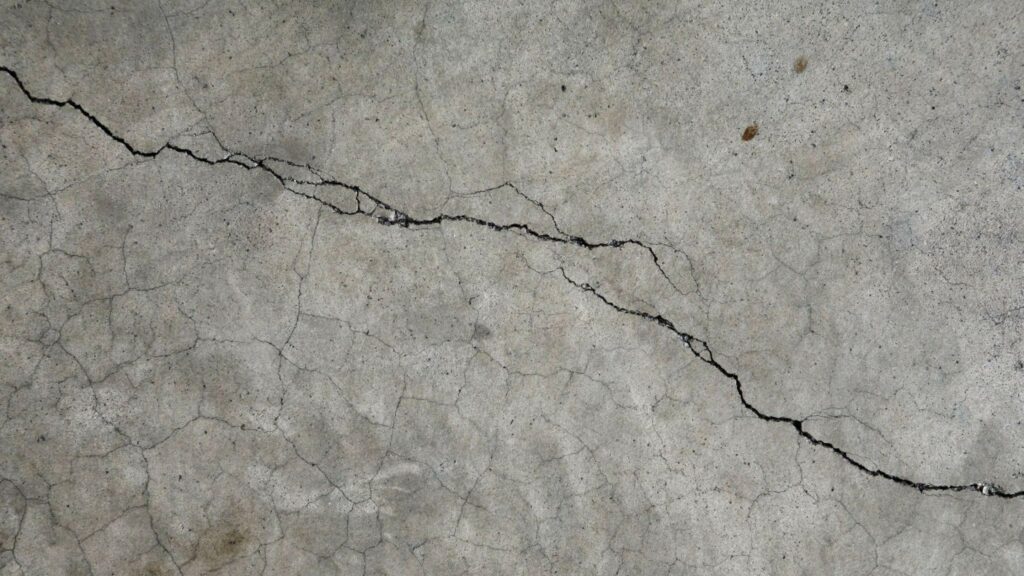
If you’ve worked around concrete jobs long enough, you’ll know cracks are pretty common. Driveways, paths, patios and slabs all crack sooner or later, especially with soil movement and Australian weather.
From our perspective of the job delivering concrete to builders, landscapers and tradies, we see both outcomes. Sometimes a crack is a quick repair job. Other times the slab is too far gone and the best option is cutting it out and doing a new pour.
The key is knowing which cracks are worth repairing and which ones aren’t. That’s why the team at Concrete Taxi has made this practical breakdown of what actually works when repairing cracked concrete and when replacement is the smarter move.
Why Concrete Cracks in the First Place
Concrete is strong, but it’s not flexible. Once it sets, any movement underneath or pressure on top can lead to cracks.
The most common causes we see on job sites include:
Soil movement: If the ground under the slab shifts or settles, the concrete slab moves with it. This is common when the base wasn’t compacted properly before the pour.
Shrinkage in new concrete: All new concrete shrinks slightly as it cures. Without proper expansion joints, hairline cracks can appear across the surface.
Heavy loads: Driveways carrying utes, trucks or equipment can crack if the slab wasn’t poured thick enough or reinforced properly.
Tree roots: Roots growing under the slab can push concrete upward and create cracks or uneven sections.
Water and drainage issues: If water sits around the slab or underneath it, the base can soften and the concrete starts shifting.
Before repairing cracks, it’s worth figuring out what caused them. Otherwise you’re just patching over a problem that will come back.
Not All Cracks Are the Same
Some cracks are cosmetic and easy to fix. Others are a sign the slab itself is failing.
Here’s how they usually break down:
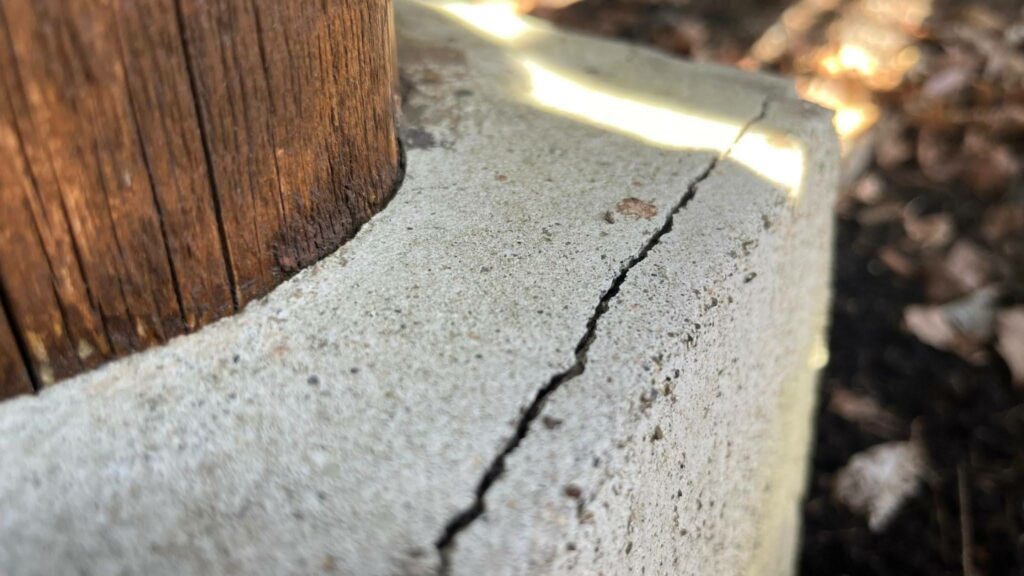
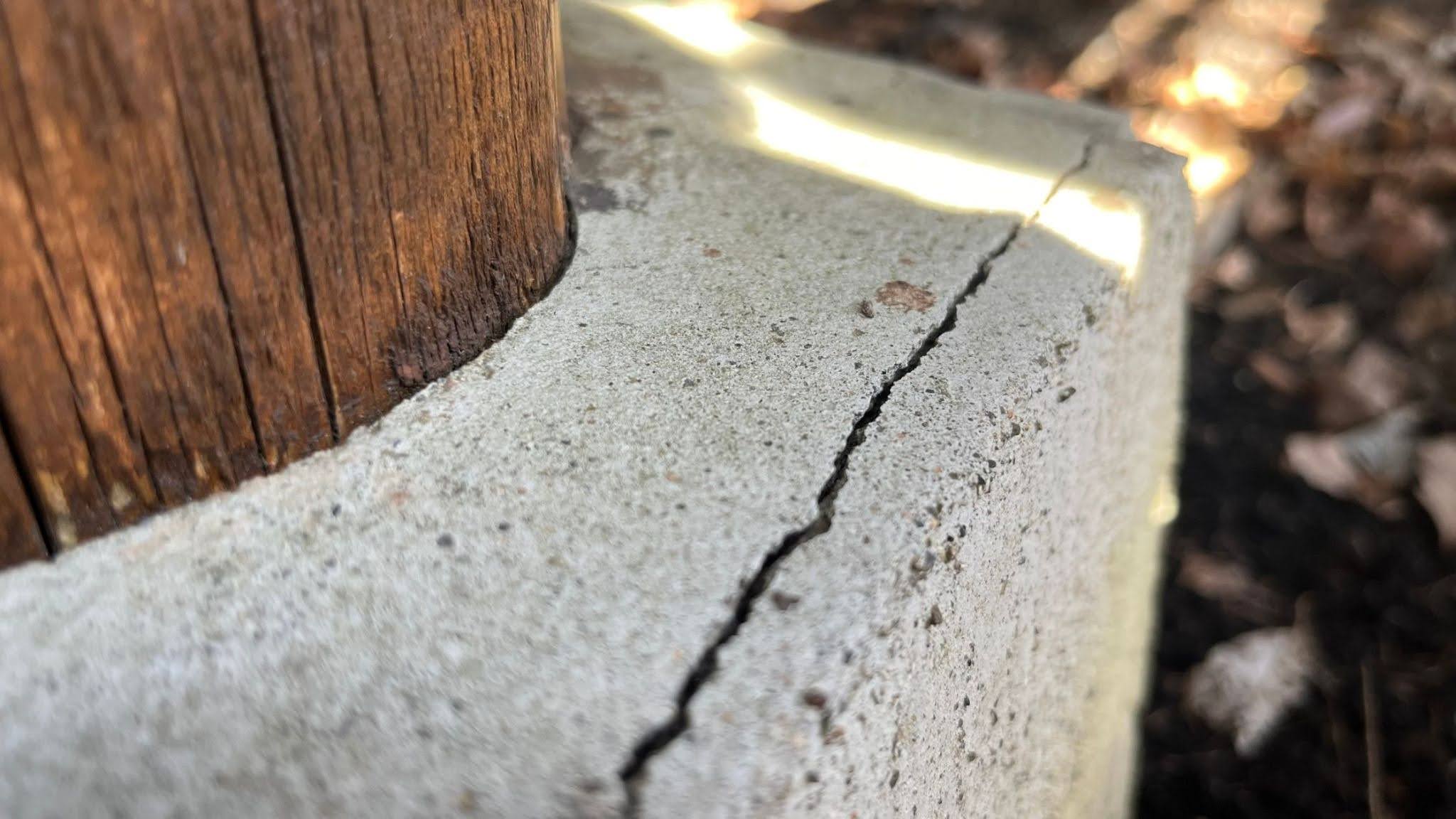
Hairline cracks: Thin surface cracks in the concrete. These are usually cosmetic and can be repaired with sealant or filler.
Small surface cracks: Often caused by shrinkage. These are common in driveways and patios and can usually be fixed with concrete patching.
Deep or wide cracks: Cracks that go through the slab may point to structural movement or ground issues.
Multiple cracks across the slab: If cracks are appearing in several places, the base under the slab may be failing.
When the entire slab is cracking or moving, patching usually won’t last long.
Concrete Slab Repair Methods That Actually Work
There are a few concrete slab repair methods that hold up when done properly. Which one works best depends on the type of crack and the condition of the existing slab.
Epoxy Injection
Epoxy is used when cracks are deeper or structural.
The epoxy is injected into the crack and bonds the concrete back together. Once it cures, it forms a very strong seal and helps stop moisture getting in.
Epoxy repairs are commonly used for:
- Structural cracks
- Deep cracks in slabs or walls
- Concrete that needs strength restored
You’ll often see this used on commercial jobs or structural repairs where strength matters.
Flexible Sealant
For small cracks, flexible sealant is usually the easiest and most practical fix.
Unlike rigid cement products, flexible sealants move with the concrete. That means when the slab expands or contracts with temperature changes, the repair doesn’t just crack again.
Flexible sealant works well for:
- Driveway cracks
- Small cracks in concrete slabs
- Expansion joints
The biggest mistake people make here is skipping preparation. The crack needs to be properly cleaned first or the sealant won’t bond.
Concrete Patching Compounds
Concrete patching products are commonly used for surface repairs.
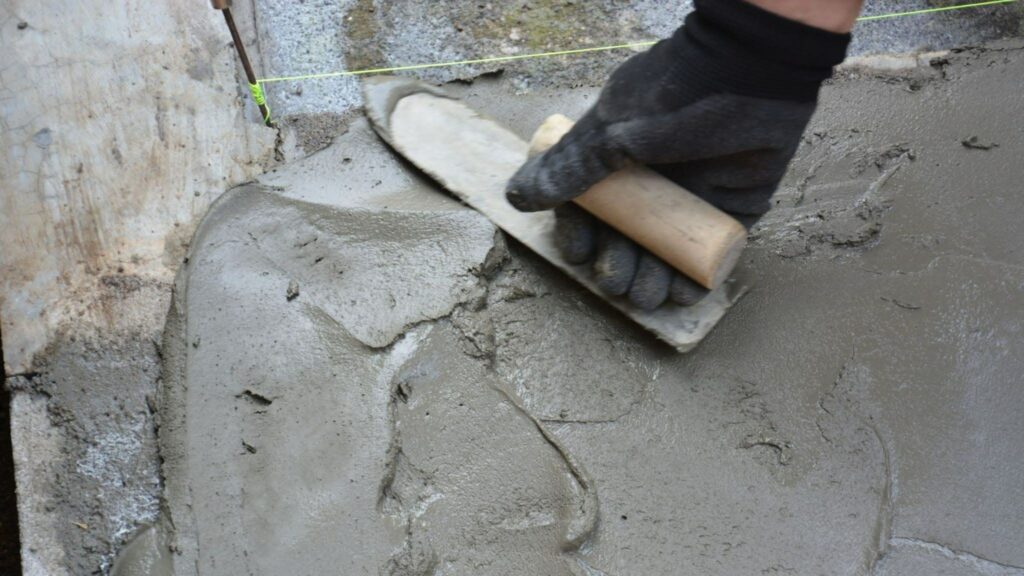
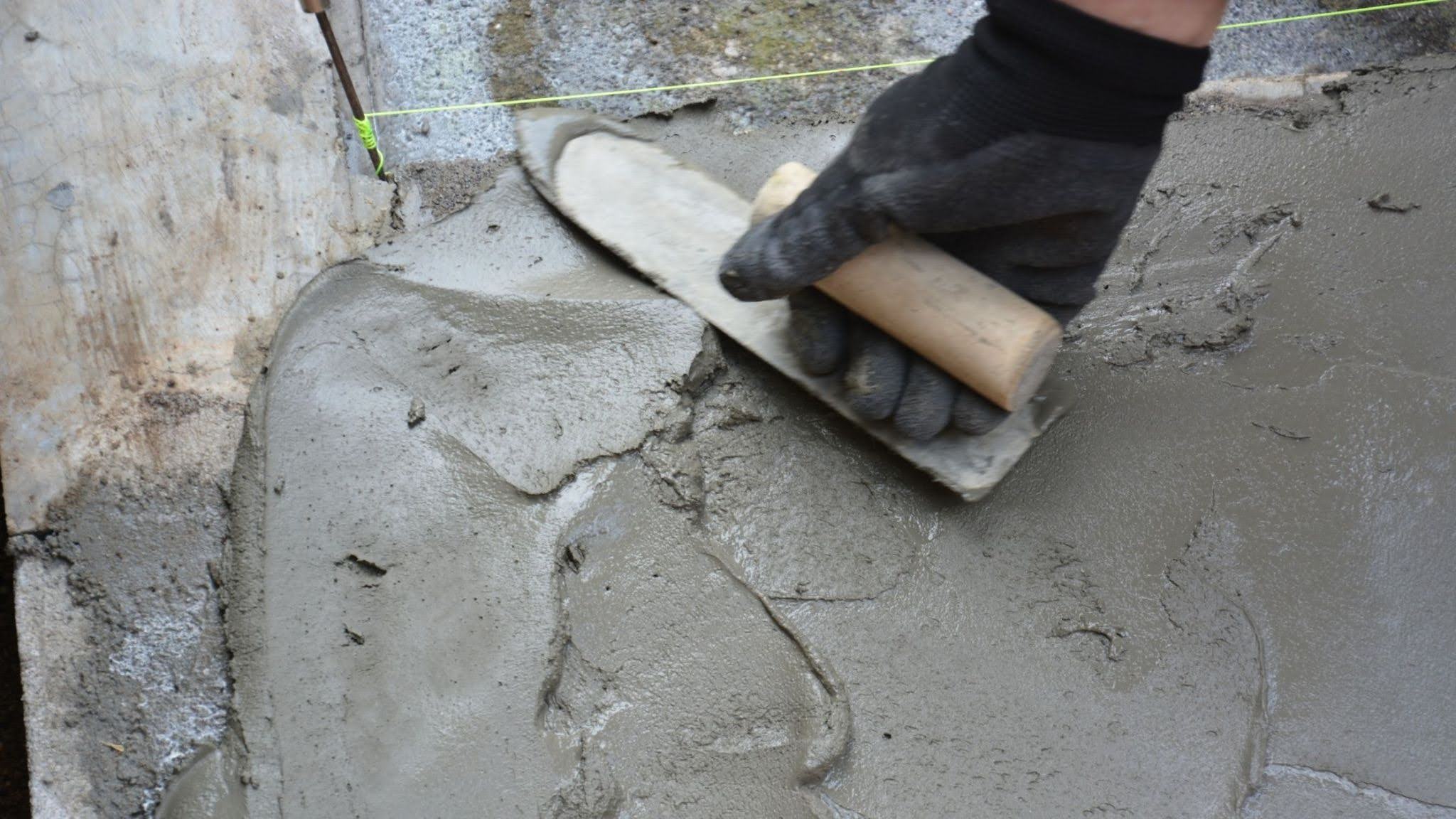
These are cement-based mixes designed to bond with existing cement. Once applied, the repair is smoothed with a trowel and allowed to cure.
Patching is suitable for:
- Chipped edges
- Surface damage
- Small cracks in concrete
It works well for cosmetic fixes but won’t solve deeper structural movement.
Slab Jacking
If the slab has sunk or become uneven, slab jacking may be needed.
This process involves pumping material underneath the existing slab to lift it back into position and stabilise the base.
Slab jacking is commonly used for:
- Sunken driveways
- Uneven concrete slabs
- Slabs affected by soil erosion
It can fix the level without removing the entire slab.
Repair Methods That Usually Don’t Last
We’ve seen plenty of quick fixes that look good for a few months but don’t hold up long term.
Here are a few that usually fail:
Filling dirty cracks: If debris or loose material is still inside the crack, repair materials won’t bond properly.
Patching without fixing the cause: If soil movement or tree roots caused the crack, patching alone won’t stop it from coming back.
Very thin patches: Thin repair layers often break away from the existing slab.
Ignoring drainage problems: If water stands around the slab, both the original concrete and the repaired area can weaken.
Proper preparation and fixing the cause of the crack makes the biggest difference.
How to Fix Concrete Cracks (Basic Process)
For smaller cracks, the repair process is fairly straightforward.
- Assess the crack: Look at how wide and deep the crack is. If it’s spreading or structural, a professional repair may be needed.
- Clean the crack: Use a wire brush, pressure washer, or garden hose to remove dirt, debris and loose material.
- Prepare the repair material: Mix the repair product according to the instructions.
- Fill the crack: Work the material into the crack so it fills the entire depth.
- Smooth the surface: Use a trowel to level the repair with the surrounding concrete.
- Allow it to cure: Leave the repaired area to cure fully before putting weight on it.
Most failed repairs come down to poor preparation or rushing the curing process.
When Repair Isn’t Worth It
Sometimes repairing cracks just delays the inevitable.
Replacement may be the better option when:
- The entire slab has multiple cracks
- The slab is badly uneven
- Structural damage is present
- The base under the concrete has failed
In these situations, cutting out the damaged section and doing a new concrete pour is usually the more reliable long-term solution.
On plenty of jobs we see, tradies will simply cut out the damaged area and pour new concrete into the section rather than keep patching old concrete. Standard ready-mix concrete works well for these repairs because it bonds properly with the existing slab when the edges are prepared correctly. This also usually gives a much longer-lasting result than repeated patching.
Preventing Concrete Cracks in the Future
Good preparation goes a long way in preventing cracks, and most of the work happens before the concrete is even poured. The ground underneath the slab needs to be properly prepared and compacted so it doesn’t shift later. A solid base layer helps support the weight of the concrete and anything that will sit on top of it.
Expansion joints also need to be placed correctly so the concrete has space to move as it expands and contracts with temperature changes. Drainage around the slab matters as well. If water sits against or underneath the concrete, it can weaken the base and lead to movement over time.
Using the right concrete mix for the job is just as important. The correct mix strength and consistency helps the slab cure properly and handle the loads it’s designed for.
Most cracking problems start before the concrete is even poured. A properly prepared base and the right mix will make a big difference to how long the slab lasts.
Need Concrete for a Repair or New Pour?
If a repair turns into a bigger job and you need fresh concrete, Concrete Taxi makes the process simple.
We supply small and large concrete loads delivered directly to site, which is ideal for driveway sections, slab replacements, and repair work. You only pay for the amount you need, and we deliver ready-to-pour concrete when and where you need it.
Whether you’re fixing a cracked driveway or replacing part of a slab, our team can help you get the right mix delivered to site without the hassle.
Get a free quote or contact Concrete Taxi today to organise your concrete delivery.
Frequently Asked Questions
Can cracked concrete be repaired permanently?
Sometimes, yes. Small cracks can be sealed and will hold up fine if the slab underneath is stable. But if the crack is caused by soil movement or the base shifting, it may come back over time. In those cases, the real fix is addressing the ground underneath or replacing the damaged section.
What’s the best way to repair cracks in concrete?
It depends on the size of the crack. Small cracks are usually fixed with flexible sealant or patching compound. Deeper cracks might need epoxy injection or a more serious repair. If the slab is moving or badly cracked, cutting out the section and pouring new concrete is often the better option.
How big does a crack need to be before concrete should be replaced?
Hairline cracks are usually nothing to worry about. But if the crack is wide, deep, or running across large sections of the slab, that’s when repairs may not last. When there are multiple cracks or the slab is uneven, it’s often better to remove the damaged area and re-pour it.
Is it cheaper to repair concrete or replace it?
For small cracks, repairs are usually the cheaper option. But if the slab is badly cracked or sinking, you can end up spending more money patching it over and over. In those situations, cutting out the damaged section and pouring fresh concrete can save money in the long run.
Why do concrete driveways crack?
Most driveway cracks come down to movement. That can be soil shifting under the slab, poor base preparation, heavy vehicles, water getting underneath, or even tree roots pushing up from below. Once the slab starts moving, cracks usually follow.


[…] notice cracks appearing during a clean, don’t just seal over them. Have a read of our guide on repairing cracked concrete for the right […]